Aquarium Substrate for Planted Tank
Compare planted tank substrate choices by plant roots, shrimp safety, buffering, cost, and maintenance.
Quick answer
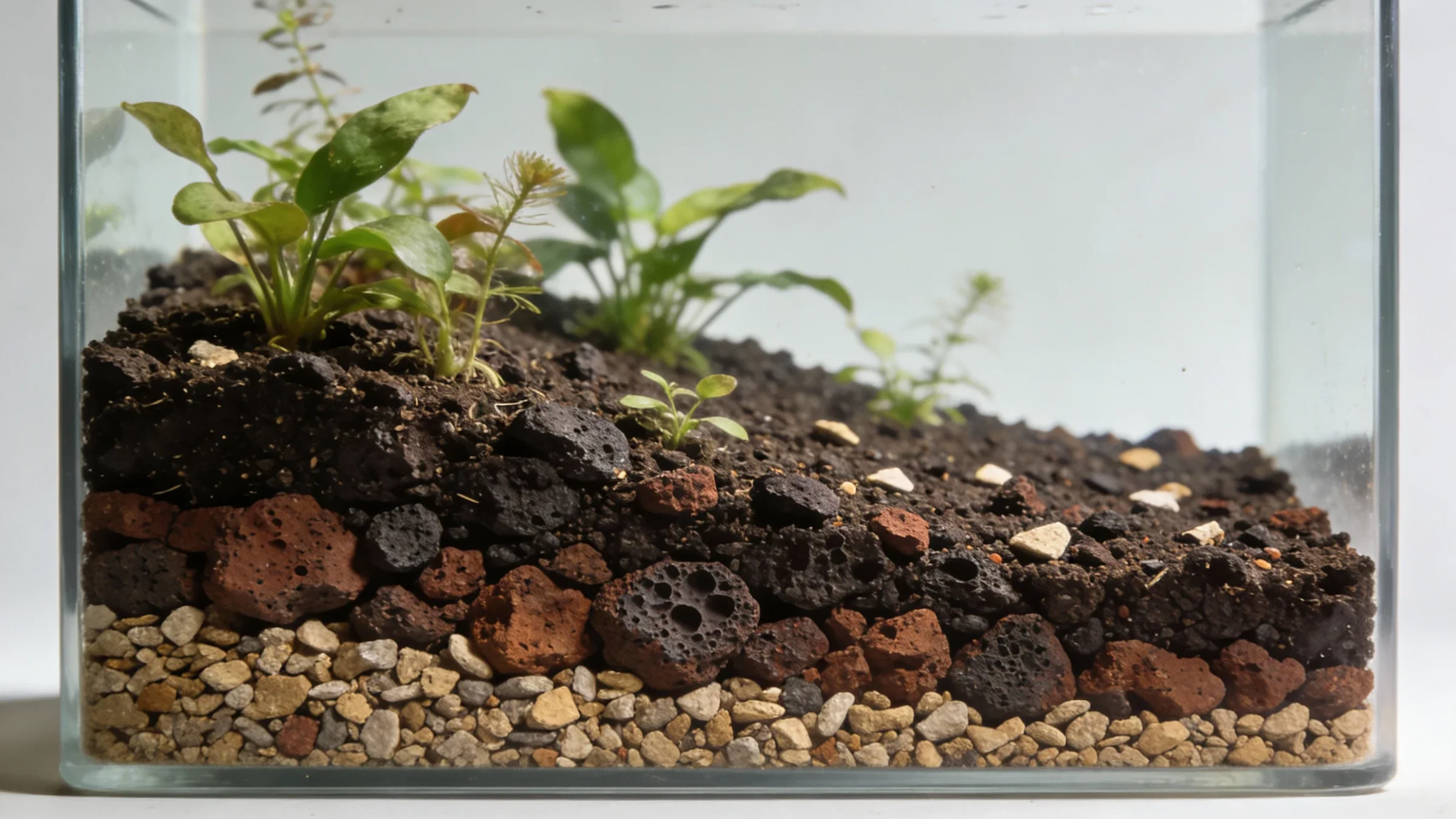
The best substrate depends on your plants and livestock. Aquasoil feeds roots and buffers water, inert sand or gravel is simpler, and dirted tanks need careful capping.
What This Searcher Needs
Substrate decisions are hard to reverse after the tank is filled. This topic supports buyer intent while reducing returns and bad purchases by matching substrate to the actual setup.
Search intent
The searcher wants to buy substrate but does not know whether to choose aquasoil, sand, gravel, or soil.
Choose Your Setup Path
Root-feeder route
Use nutrient-rich substrate or root tabs for swords, crypts, lotus, and carpeting plants.
Open the recommended next stepNatural soil route
A Walstad-style substrate can grow plants well, but the soil layer must be capped and cycled carefully.
Open the recommended next stepShrimp-safe route
For shrimp, choose substrate based on the species and water goals. Stability matters more than chasing the most expensive bag.
Open the recommended next stepRecommended Guides
These are the pages most closely matched to this search intent. Start with one guide, then compare nearby sizes or styles before buying equipment.
Common Questions
Can aquarium plants grow in gravel?
Yes, many plants can grow in gravel if you add root tabs for heavy root feeders and dose the water column when needed.
Is aquasoil worth it for beginners?
Aquasoil helps rooted plants and carpeting plants, but it can affect water chemistry and may release ammonia early.
How deep should planted tank substrate be?
Most planted tanks do well with about 2 to 3 inches, sloped deeper in the back for root space and visual depth.