Walstad Method Tank
Understand when a Walstad method tank works, what soil and cap choices matter, and how to avoid early ammonia problems.
Quick answer
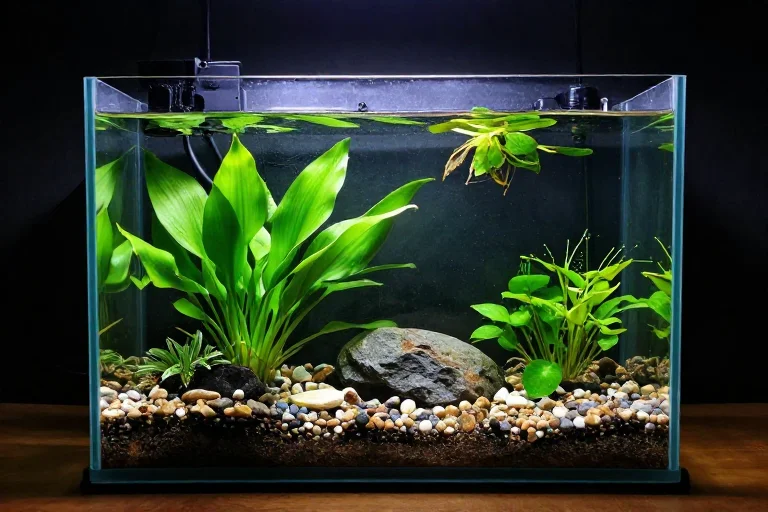
A Walstad tank uses soil, plants, light, and biological balance instead of heavy equipment. It can be low-cost, but it is not instant or maintenance-free.
What This Searcher Needs
Walstad searches are information-heavy but can still lead to purchases because the reader needs a tank, light, cap substrate, plants, test kit, and often a small filter. The page must set expectations so beginners do not add fish before the soil system stabilizes.
Search intent
The searcher wants to know if the method is practical and which tank size is safest.
Choose Your Setup Path
Best starter size
A 10 gallon Walstad tank is small enough to manage and large enough to buffer beginner mistakes better than a tiny jar or bowl.
Open the recommended next stepBest long-term size
A 20 gallon long gives plants more surface area and improves gas exchange, making it a better display tank once you know the basics.
Open the recommended next stepSimpler alternative
If soil feels risky, a low-tech jungle tank with inert or active substrate is easier to adjust later.
Open the recommended next stepRecommended Guides
These are the pages most closely matched to this search intent. Start with one guide, then compare nearby sizes or styles before buying equipment.
Common Questions
Does a Walstad tank need a filter?
Some run without filters, but a small gentle filter or air-driven sponge filter adds circulation and safety for beginners.
How long should a Walstad tank cycle?
Test until ammonia and nitrite stay at zero. Soil can release nutrients early, so patience is important.
What plants work best in a Walstad tank?
Fast growers, rooted plants, floaters, and hardy stems help absorb nutrients and stabilize the system.