Walstad Tank Setup
Plan a Walstad tank setup with soil, sand cap, fast plants, patient cycling, light control, and realistic stocking.
Quick answer
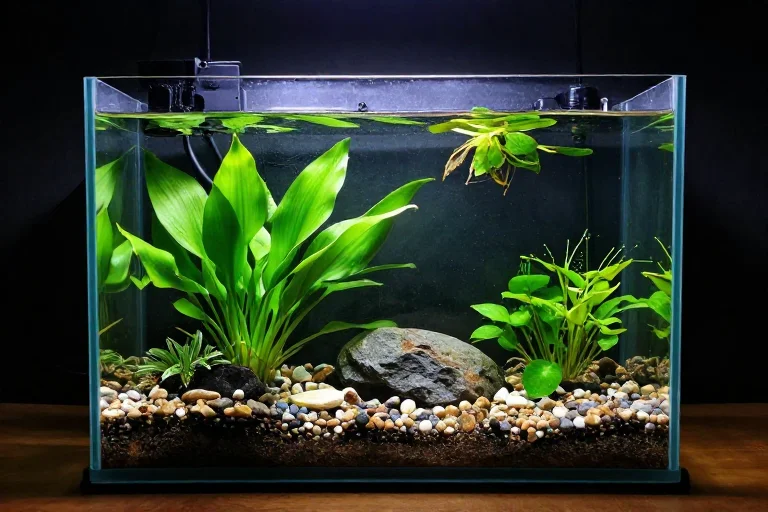
A Walstad tank uses a soil layer capped with sand or gravel, heavy planting, moderate light, and patient cycling. The method is low-tech, not no-maintenance.
What This Searcher Needs
Walstad searches attract serious beginners who are ready to buy substrate, plants, light, and testing supplies, but the method can fail if soil and cap choices are rushed.
Search intent
The searcher wants a method explanation and a practical supply list before building a dirted tank.
Choose Your Setup Path
10 gallon Walstad route
A 10 gallon tank is a manageable first dirted setup with enough water volume to be more forgiving than a tiny bowl.
Open the recommended next step5 gallon caution route
Small Walstad tanks can work, but the soil layer and stocking need extra restraint because water changes quickly.
Open the recommended next step20 gallon long route
A wider footprint gives more plant mass, better layout options, and more stable water than a nano dirted tank.
Open the recommended next stepRecommended Guides
These are the pages most closely matched to this search intent. Start with one guide, then compare nearby sizes or styles before buying equipment.
Matched Shopping Lists
Use these buying guides after choosing the layout. They keep the product step tied to tank size, livestock safety, and current Amazon availability instead of sending visitors to stale ASINs.
Walstad Tank Supplies
Walstad supplies are simple but unforgiving: plain soil, clean cap, many plants, moderate light, conditioner, and a test kit. Do not skip cycling just because the method is natural.
Low-Tech Planted Tank Kit
A good low-tech planted tank kit is built around moderate light, reliable filtration, easy plants, substrate support, and testing. Do not start with high light unless you want high maintenance.
Beginner Aquarium Plant Pack
A beginner plant pack should include hardy, true aquatic plants such as Anubias, Java fern, moss, crypts, swords, and easy stems. Be careful with seed carpets and unlabeled bundles.
Common Questions
How long should a Walstad tank cycle?
Plan for several weeks and test ammonia, nitrite, and nitrate. Soil can release nutrients early, so livestock should wait.
What soil should I use for a Walstad tank?
Use plain organic soil or topsoil without fertilizer pellets, pesticides, wetting agents, or manure-heavy blends.
Does a Walstad tank need a filter?
Many people run gentle filtration or circulation anyway, especially in beginner tanks, because it improves oxygen and stability.