Skip to content
best low tech planted tank equipment 2026

Best Low-Tech Planted Tank Equipment 2026

Build a low-tech planted tank in 2026 with the right light, filter, substrate, fertilizer, water conditioner, timer, and maintenance tools.
Quick buying answer

For a 2026 low-tech planted tank, buy consistency before power: controllable light, reliable filter, simple substrate, conditioner, test kit, timer, and a siphon.

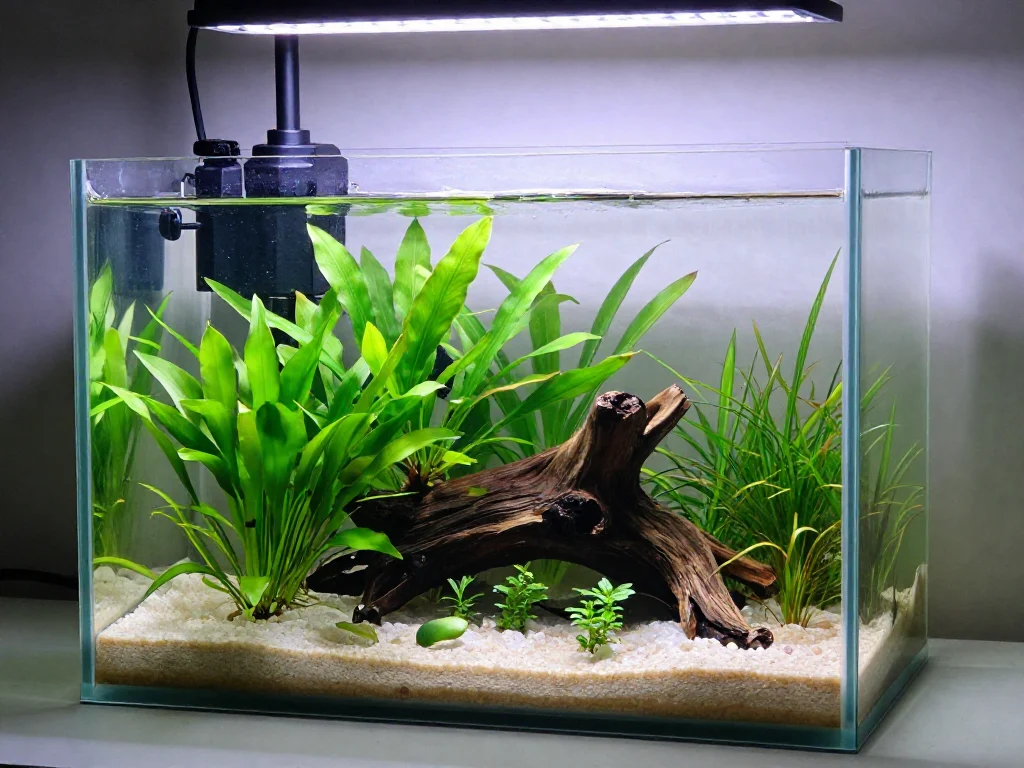
Best Low-Tech Planted Tank Equipment 2026 visual guide

Top Picks for This Setup

These are search-based Amazon links so stale ASINs do not send buyers into 404 pages. Prices and availability are checked on Amazon after the click.

Why This List Converts Better

The reader is building a low-tech tank and is ready to buy several essentials in one session.

Start with 6 to 7 hours of light.
Use biological filtration and gentle circulation.
Add fertilizer only after plants begin growing.
Keep maintenance tools visible so water changes actually happen.

Complete Shopping List

#1recommended

hygger 24/7 Planted Aquarium Light

Useful for beginners because a built-in timer makes the lighting schedule easier to keep consistent.

Check before buying: Skip very strong settings on low-tech tanks until plant growth is stable.
Compare on Amazon
#2essential

NICREW ClassicLED Aquarium Light

Enough output for Java fern, Anubias, moss, and most beginner stems without pushing algae too hard.

Check before buying: Skip it for demanding carpets, red stems, or pressurized CO2 layouts.
Compare on Amazon
#3essential

AquaClear 20 Power Filter

Simple hang-on-back filter with room for biological media and adjustable flow for small planted setups.

Check before buying: Add a pre-filter sponge for shrimp fry or long-finned bettas.
Compare on Amazon
#4essential

Aquarium Sponge Filter

The safest filter style for shrimp fry and long-finned bettas because it provides biological filtration without a hard intake.

Check before buying: Skip it if you dislike visible in-tank equipment or already have a protected low-flow filter.
Compare on Amazon
#5essential

CaribSea Eco-Complete Substrate

Good fit for low-tech tanks because it is easier to manage than nutrient-rich aquasoil.

Check before buying: Skip it if you need active pH buffering or a high-nutrient aquasoil for carpeting plants.
Compare on Amazon
#6recommended

Complete Liquid Plant Fertilizer

A simple liquid fertilizer helps low-tech plants once they start actively growing.

Check before buying: Fertilizer cannot compensate for poor lighting, dying plants, or an uncycled tank.
Compare on Amazon
#7recommended

Root Tabs for Aquarium Plants

Root tabs help swords, crypts, and other root feeders when using inert substrate.

Check before buying: Do not bury too many in tiny tanks; excess nutrients can fuel algae.
Compare on Amazon
#8recommended

Smart Plug Timer for Aquarium Light

A timer is one of the cheapest ways to prevent algae from inconsistent or overly long photoperiods.

Check before buying: Skip it if your light already has a reliable built-in timer and memory.
Compare on Amazon
#9essential

Aquarium Water Change Siphon

A siphon turns maintenance from a messy chore into a repeatable routine, which keeps beginner tanks alive longer.

Check before buying: Choose a small siphon for nano tanks; oversized gravel vacs drain small tanks too quickly.
Compare on Amazon
#10essential

API Freshwater Master Test Kit

Ammonia, nitrite, nitrate, and pH tests prevent the most expensive beginner mistake: adding livestock to an unsafe tank.

Check before buying: Test strips are faster, but liquid tests are usually more useful for diagnosing cycling problems.
Compare on Amazon
#11essential

Seachem Prime Water Conditioner

Water conditioner is not optional when using chlorinated tap water for planted tanks.

Check before buying: Dose according to the label; more is not a replacement for cycling or water changes.
Compare on Amazon

Common Questions

What equipment does a low-tech planted tank need?

At minimum: tank, light, filter, substrate, conditioner, test kit, plants, and water-change tools.

Do I need a timer for a planted tank light?

A timer is strongly recommended because consistent lighting helps prevent algae.

Is CO2 required for low-tech planted tanks?

No. Choose hardy plants and moderate light before considering CO2.