1
Start the setup
Choose the main item that fixes the decision this guide is about.
- Aquarium-Safe Cyanoacrylate Gel GlueView on Amazon
- Aquascaping Tools KitView on Amazon
Expert gear match · aquarium hardscape glue
Choose aquarium hardscape glue for attaching plants, moss, and small details without harming fish or shrimp.
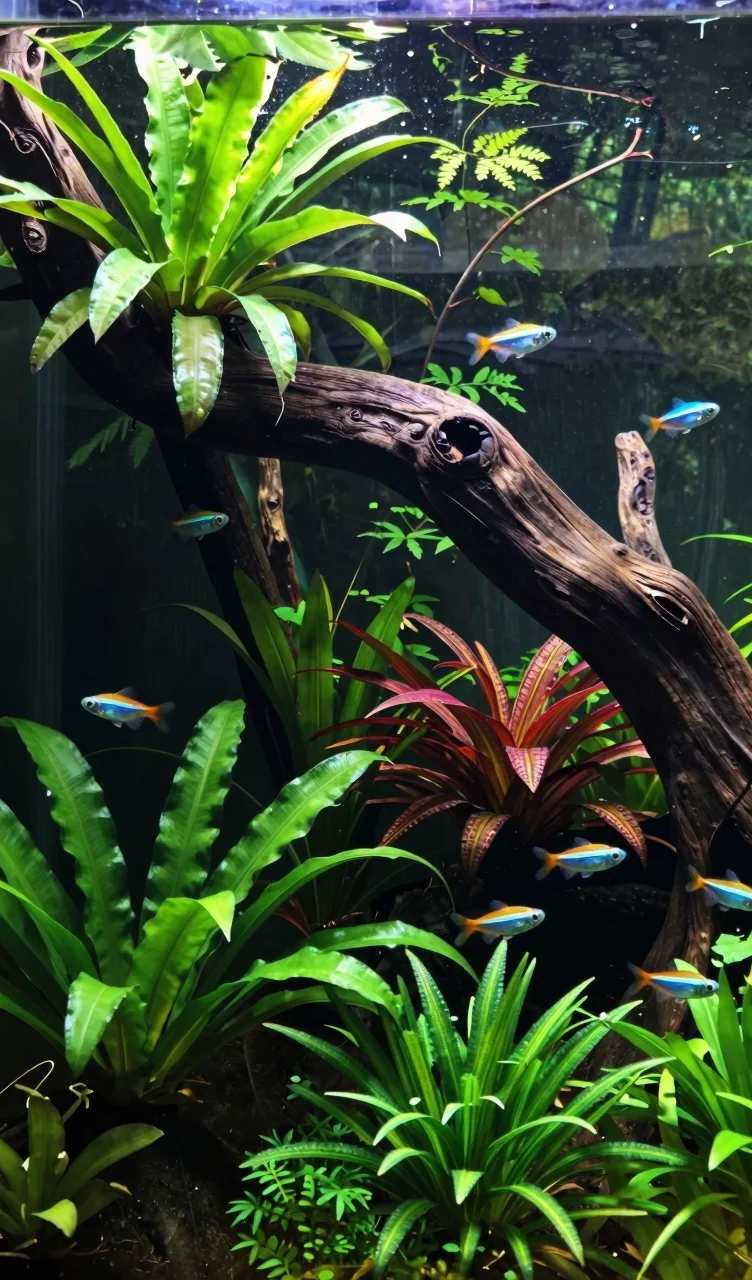 Recommended setup illustration
This guide uses its dedicated setup illustration. Multi-angle views are added only when they represent the same completed setup.
Choose with confidence
Avoid household adhesives that are not aquarium safe, and avoid relying on glue alone for heavy stone stacks.
Use small gel dots, let attachments set, and keep large white glue patches out of the final front view.
Buy in this order
This is a narrow commercial query where the reader wants to know what glue is safe before buying.
Choose the main item that fixes the decision this guide is about.
Add the water, livestock, or compatibility safeguard before changing the look.
Finish the result only after the core system is working as intended.
Gel cyanoacrylate is the practical beginner choice for attaching plants and details without tying everything with thread.
Tweezers and curved scissors make planting stems and maintaining foreground plants much less frustrating.
A hardy plant bundle reduces decision fatigue and gives the tank enough plant mass to compete with algae early.
Branchy wood helps small tanks feel deeper and gives epiphyte plants natural places to attach.
A mixed rock pack gives beginners enough size variety to create scale, slopes, and a clear focal point.
Expert notes
Use gel glue instead of thin liquid for better control.
Questions before buying
Cyanoacrylate gel sold for aquarium or reef use is commonly used for plants and small details.
Yes, gel glue can cure underwater. Use small dots and press the rhizome or moss gently onto hardscape.
It can help with small joins, but heavy rocks should be stable by shape and placement first.